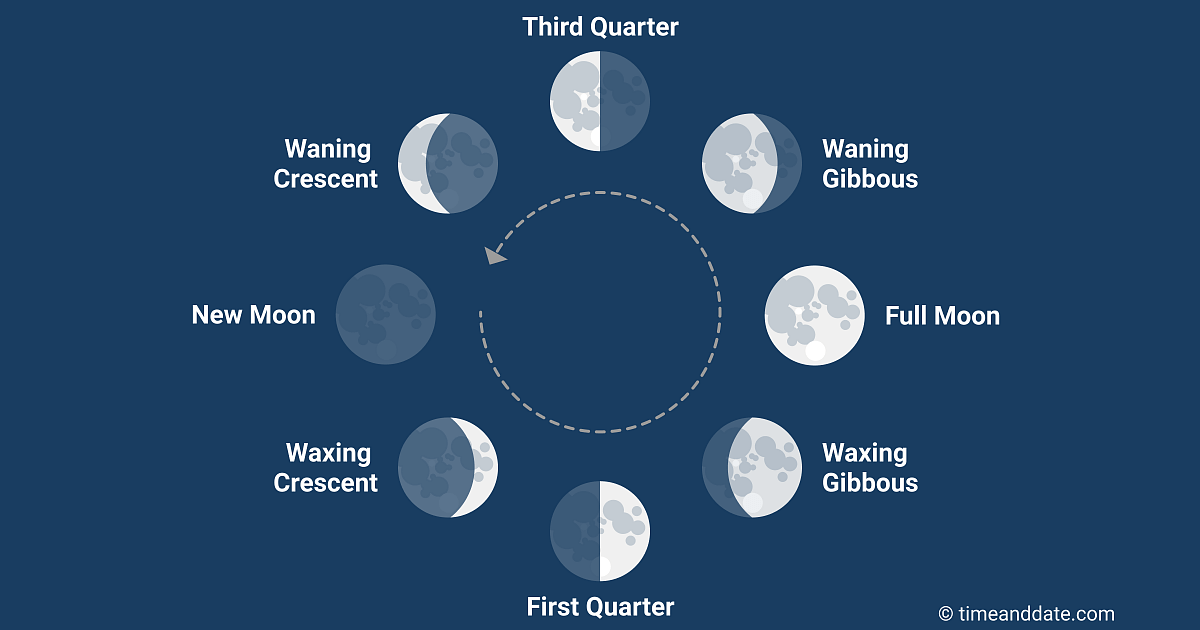
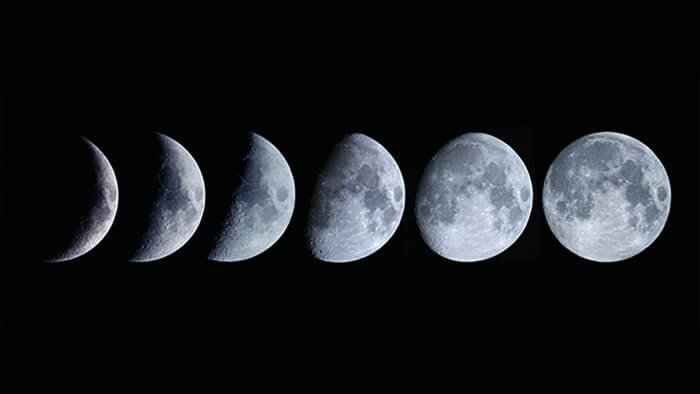
January 3rd Full Moon (Wolf Moon) The Moon will be fully illuminated, rising in the east at sunset and setting in the west at sunrise. This moon is also known as the Wolf Moon. Time : Moonrise at approximately 18:59 EAT Visibility : The Moon will be visible from the east as it rises and will move through the sky all night, and will set in the west. January 3rd - 4th Quadrantids Meteor Shower The Quadrantids are a brief but intense meteor shower, active from December 28th, 2025 to January 12th, 2026, peaking around January 3rd– 4th. The peak occurs on the night of January 3rd–4th, but unfortunately, a full moon on January 3rd will significantly hinder visibility due to its brightness. Time : Best viewing after midnight Visibility : Meteors will radiate from the constellation Boötes but can appear anywhere in the sky. January 10th Jupiter at Opposition The giant planet will be at its closest approach to Earth and its face will be fully illuminated by the Sun. It will be brighter than any other time of the year and will be visible all night long. This is the best time to view and photograph Jupiter and its moons. Time : Occurs at 11:34 EAT Visibility : It will be brighter than any other time of the year and will be visible all night long. |
gjhgjh
February 1st Full Moon (Snow Moon) The Snow Moon, traditionally named for the heavy snows of February, will be fully illuminated. This is a striking full moon, often appearing large and bright in the sky. Time : Evening from 19:00 EAT. Visibility : Rises in the east; full view all night. February 17th New Moon The whole night will be moon free. |
jhgjh
April 2nd
Full Moon
The Moon is fully illuminated, offering excellent viewing and
photographic opportunities of the lunar surface.
Time : Evening from 19:00 EAT.
Visibility : Rises in the east; full view all night.
April 17th
New Moon
The whole night will be moon free.
April 20th - 21st
Mercury at Greatest Western Elongation
Mercury reaches its greatest western elongation, the best time to
observe this planet in the morning sky before sunrise.
Time : Early morning before dawn.
Visibility : The phenomenon will be visible towards the east.
April 22nd
Conjunction of the Moon and Jupiter
Moon and jupiter conjunction occurs when the moon passes close to
bright Jupiter, creating a striking visual pairing in the sky that is ideal
for viewing with the naked eye.
Time : Early morning before dawn
Visibility : The phenomenon will be visible towards the west.
April 25th
Triple Conjunction
A beautiful grouping of the crescent Moon along with Venus and Saturn
low in the eastern morning sky before sunrise. While binoculars can
enhance the view, it is also visible to the naked eye.
Time : Early morning before dawn in the east.
May 6th - 7th
Eta Aquarids Meteor Shower
The Eta Aquarids is an above-average shower, capable of producing up
to 60 meteors per hour at its peak. The shower runs annually from April
19th to May 28th. It peaks this year on the night of May 6 and the morning
of May 7th. The showers are produced by dust particles left behind by
Comet Halley, which has been observed since ancient times.
Time : The best viewing will be from a dark location after midnight, a few
hours before dawn.
Visibility : Meteors will radiate from the constellation Aquarius, but can
appear anywhere in the sky. The waning gibbous (illuminated at 72%) moon
will block out some of the fainter meteors this year but with patience, one
might catch the brighter ones.
May 17th
New Moon
The whole night will be moon free.
May 31st
Full Moon (The Blue Moon)
The Moon will be located on the opposite side of the Earth as the Sun
and its face will be will be fully illuminated. This phase occurs at
11:46 EAT. Since this is the second full moon in the same month, it is
sometimes referred to as a blue moon.
This rare calendar event only occurs once every few years, giving rise to
the term “once in a blue moon”.
Time : 11.45 EAT.
Visibility : After sunset
June lst
Jupiter in Western Evening Sky
Jupiter shines prominently in the early evening but sets early, limiting
observation to before 22:00 EAT.
Time : Evening from 19:00 before 22:00 EAT
Visibility : Rises in the east.
June 6th - 9th
Close Approach of Mecury and Jupiter
Mercury and Jupiter appear close together low in the western sky
shortly after sunset, a rare and interesting planetary pairing.
Time : Just after sunset, with setting before 22:00 EAT.
Visibility : Visible in the western sky.
June 15th
New Moon
The whole night will be moon free.
June 30th
Full Moon - Strawberry Moon
The Strawberry Moon will be visible after sunset. It is named for the
strawberry harvest season, not because of its color.
Time : Visible from 20:00 EAT
July 7th
Moon & Saturn Conjunction
Moon and Saturn conjunction occurs when the Moon passes near
Saturn, offering a beautiful view in the twilight sky, best appreciated
with binoculars.
Time : Evening from 19:32 EAT.
Visibility : The phenomenon will be visible towards the east.
July 11th
Moon Near Pleiades
The moon will be located close to the Pleiades star cluster.
Time : 02:17 EAT.
Visibility : View it high in the eastern sky in the constellation Taurus.
July 11th
Moon Near Mars
The Moon will appear close to Mars.
Time : Between 16:24 and 17:40 EAT.
Visibility : Low in the western sky before sunset.
August 12th - 13th
Perseids Meteor Shower
The Perseids are among the most spectacular meteor showers,
producing up to 60 meteors per hour at their peak. They originate from
debris left by Comet Swift-Tuttle, discovered in 1862, and are renowned
for their abundance of bright meteors. This year, the waning crescent
moon will provide dark skies, making it ideal to catch the brightest meteors during the peak.
Time : Best viewing will be from a dark location after midnight. The waning
crescent moon is favorable to spot the brightest meteors this year.
Visibility : Meteors will radiate from the constellation Perseus, but can
appear anywhere in the sky.
August 28th
Partial Lunar Eclipse
The Moon will move into earth’s shadow, with about 93% of it covered at
the darkest point of the eclipse.
Time : Maximum eclipse at 19:14 EAT.
Visibility : Low in the western sky before setting; binoculars will enhance
the view of the shadow crossing.
September 6th
Moon Near Mars
The Moon will be close to Mars in the pre-dawn sky, creating a bright
pairing in the constellation Gemini.
Time : Best viewed from around 04:30 – 05:30 EAT, before sunrise.
Visibility : Visible in the eastern sky along the ecliptic plane; naked-eye
visible, with binoculars enhancing the view.
September 8th
Moon Near Jupiter
The waning crescent Moon will be close to bright Jupiter in the early
morning sky.
Time : Visible from around 03:30 EAT until dawn.
September 14th
Moon Near Venus
A waxing crescent Moon will appear near Venus in the evening sky, low
in the horizon.
Time : Around 20:45 EAT.
Visibility : After sunset.
September 28th
Moon Near Saturn
The waxing gibbous Moon will be near bright Saturn in the evening sky.
Time : High in the east after sunset.
October 4th
Saturn at Opposition
Saturn at Opposition occurs when Earth passes directly between Saturn
and the Sun, placing the planet at its brightest. Its iconic rings will be
beautifully visible through a telescope.
Time : All night (Approximately 19:00 - 04:00 EAT). Will reach highest point
in the sky at 23:31 EAT
Visibility : Will rise low above the eastern horizon, highest point above
southern horizon and set above the western horizon. Can be seen with the
naked eye but to see the rings, a telescope is required.
October 21st
Orionid Meteor Shower
This is caused by Earth passing through a trail of debris left by Comet
Halley, producing bright shooting stars as the particles burn in our
atmosphere. Active from October 2nd to November 7th, with peak activity on October 21st
Time : 23:00 - 05:00 EAT each night.
Visibility : Radiant point (the area of the sky from which the meteors
appear to originate) will be over the eastern horizon towards the
constellation Orion. The number of meteors visible will be affected by the moon (especially when it’s full).
November 18th
Leonid Meteor Shower
This occurs as Earth travels through a stream of debris from Comet
55P/Tempel-Tuttle, creating fast, bright meteors that streak across the
night sky. Active from November 6th to 30th, with peak activity around
November 18th .
Time : 01:00 - 05:00 EAT each night.
Visibility : Radiant point will be above the eastern horizon towards the
constellation Leo. The number of meteors visible will be affected by the
moon (especially when it’s full).
December 14th
Geminid Meteor Shower
This is produced when Earth crosses the debris trail of asteroid 3200
Phaethon, known for its bright and colorful meteors. Active from
December 4th to 17th, with peak activity around December 14th .
Time : 20:30 - 05:00 EAT each night.
Visibility : Radiant point will be above the eastern horizon towards
the constellation Gemini.